
Introduction to Slow-Motion
Slow-motion is a powerful video technique that can instantly make your footage more dramatic and visually appealing. By capturing movement at a higher frame rate and playing it back slower than normal, you can highlight details that the human eye usually misses. Whether it’s a flying hair strand, water splashing, or a dramatic expression, slow-motion adds emotion and depth to your videos.
Why Slow-Motion Works
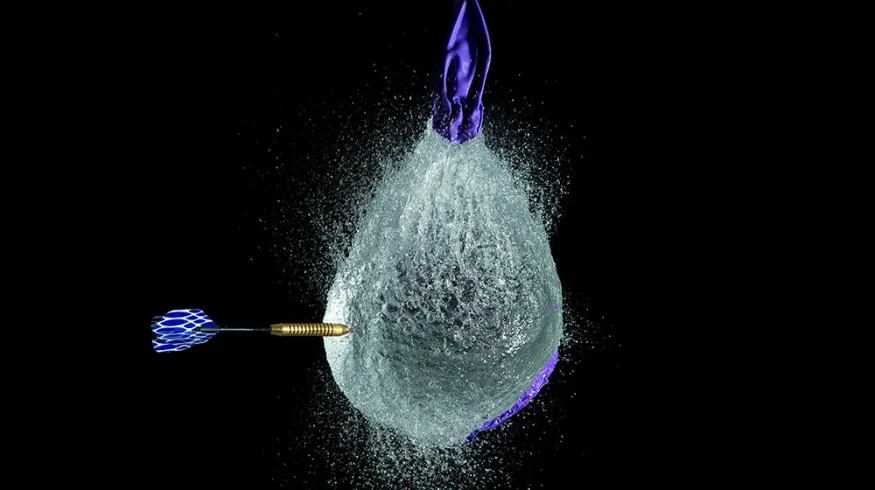
Slow-motion grabs attention because it emphasizes motion and detail. Our brains naturally focus on unusual movement patterns, so when something slows down, it feels more cinematic and intense. This technique is widely used in films, sports highlights, and music videos to make ordinary moments unforgettable.
Choosing the Right Frame Rate
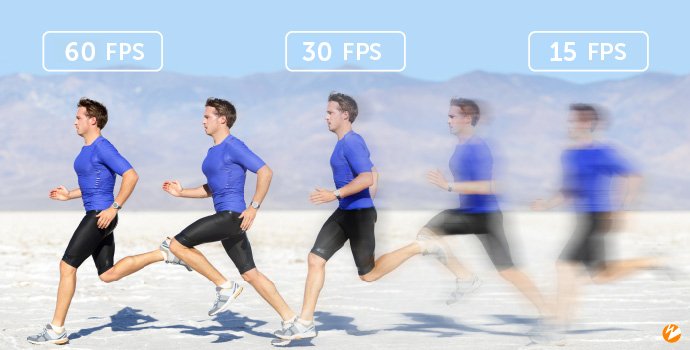
To shoot effective slow-motion videos, you need to select the right frame rate. Standard videos are shot at 24 or 30 frames per second (fps), but slow-motion requires 60 fps, 120 fps, or even higher. The higher the fps, the smoother your slow-motion playback will be. For extreme slow-motion, cameras like the Nikon ZR or GoPro Hero series can go up to 240 fps.
Lighting and Exposure Tips
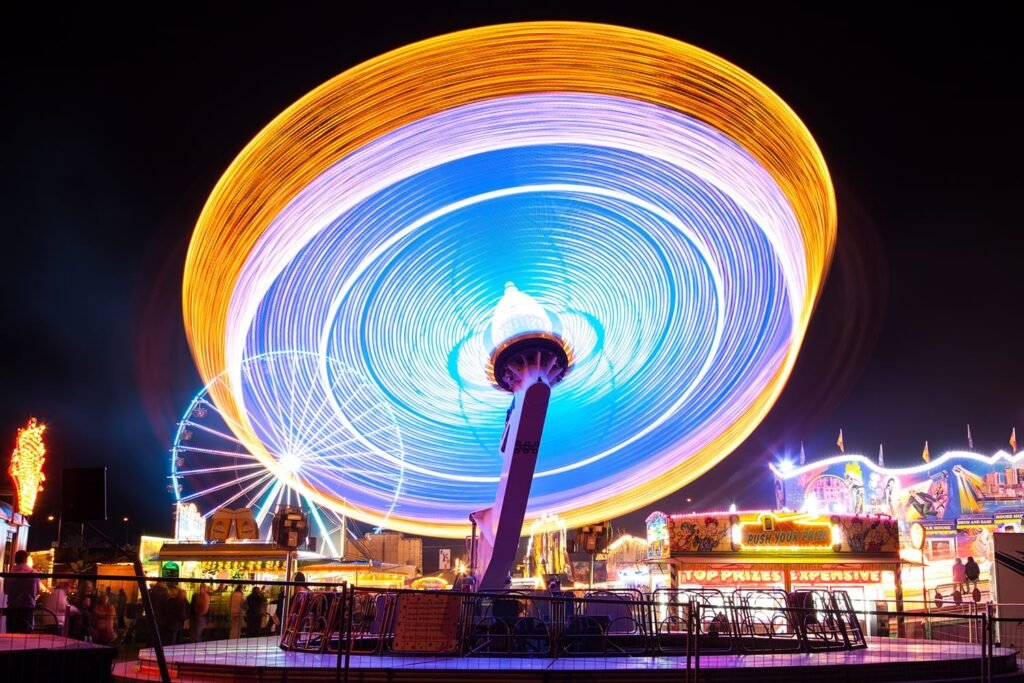
Good lighting is essential for slow-motion. Since you’re capturing more frames per second, each frame gets less light. Make sure to shoot in well-lit environments or increase your camera’s ISO and aperture to avoid dark or grainy footage. Proper lighting ensures every detail stands out, enhancing the dramatic effect.
Creative Uses of Slow-Motion
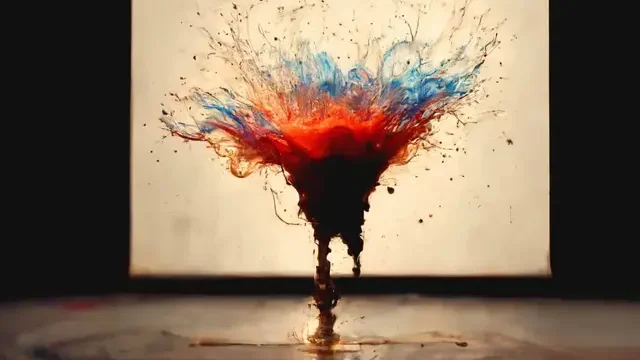
Slow-motion is versatile and can be used in multiple ways:
- Action Scenes: Highlight intense movements like jumps or flips.
- Nature Shots: Capture flowing water, falling leaves, or animals in motion.
- Emotional Moments: Freeze expressions during weddings, sports victories, or concerts.
- Product Videos: Make your product appear more appealing by focusing on tiny details.
Editing for Maximum Impact
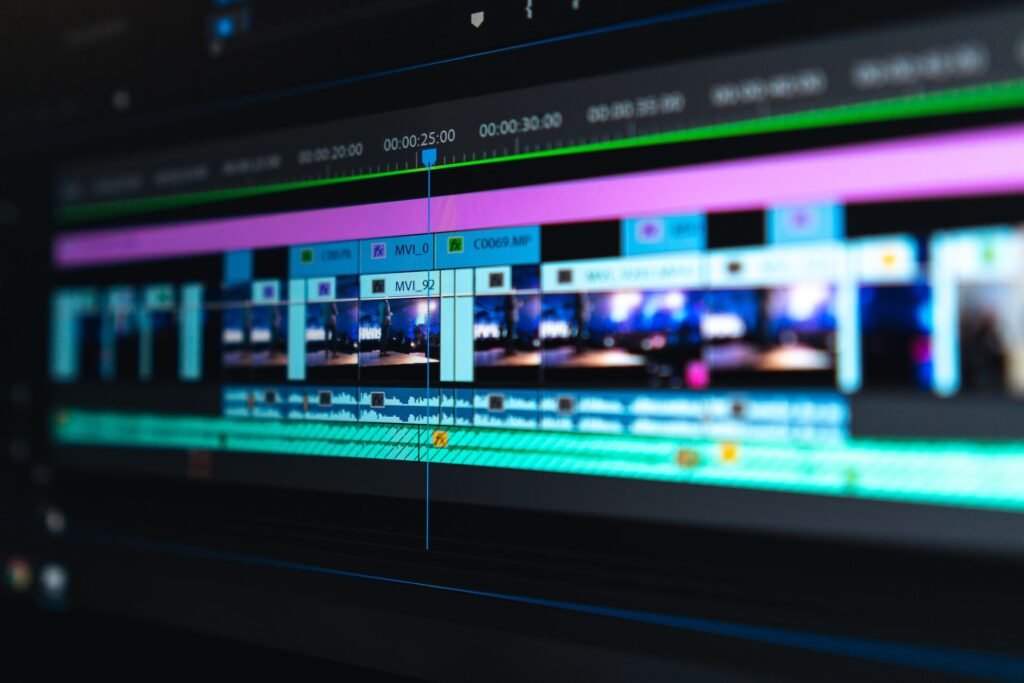
After shooting, editing is key. Use software like Adobe Premiere Pro, Final Cut Pro, or DaVinci Resolve to slow down your footage while keeping it smooth. Combine slow-motion with music, sound effects, and transitions to amplify the dramatic feel. Remember, too much slow-motion can reduce impact, so use it strategically.
Conclusion
Slow-motion is more than just a cool effect—it’s a storytelling tool. By mastering frame rates, lighting, and editing, you can transform ordinary clips into cinematic masterpieces. Start experimenting with your videos today and watch how small moments turn into unforgettable visuals.